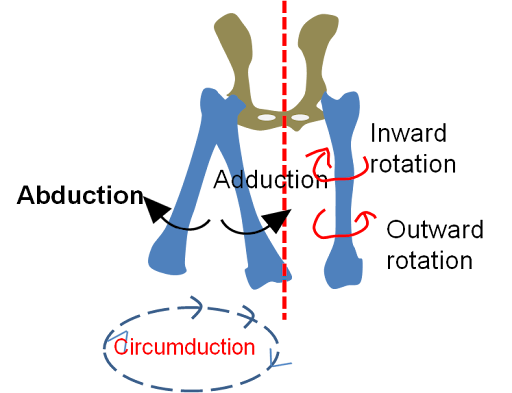
Terms describing Anatomic Movements
- Flexion, extension and hyperextension
- Adduction and Abduction
- Protraction and retraction
- Elevation and depression
- Supination and Pronation
- Inversion and Eversion
- Rotation
- Circumduction
These movements describe the motions of the joints and not of the body regions
Flexion, extension and hyperextension
- Flexion
- Decreases the angle of the joint.
- Ex. Elbow is bent
- Extension
- Increases the angle of the joint
- Ex. When elbow is straightened
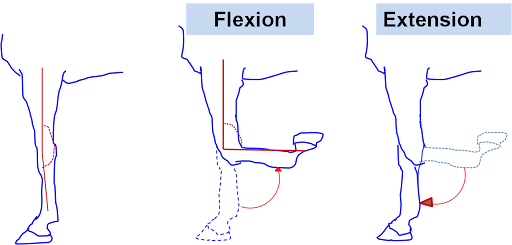
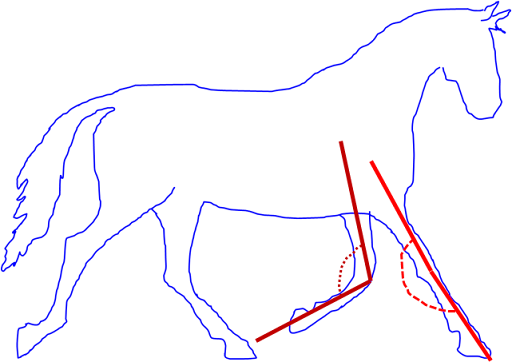
Hyperextension (dorsiflexion): extends a joint beyond a linear or straight configuration making angle of the joint more than 180 degree
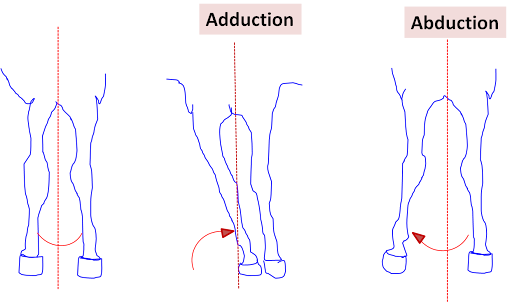
Adduction and Abduction
- Adduction
- Moves the parts of the body towards the median plane.
- Limbs are tucked under the body
- Decreases the angle between the limb and the midline
- Abduction
- Moves the parts of the body away from the median plane.
- Limbs are tucked under the body
- increases the angle between the limb and the midline
Protraction and retraction
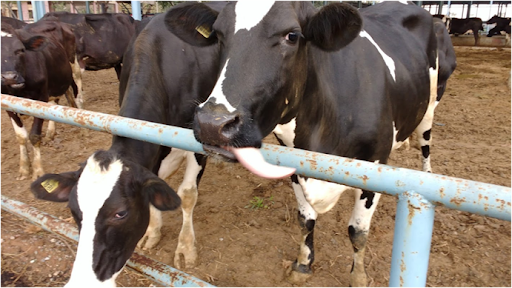
- PROTRACTION
- Moves a structure away from the central body .
- Ex: tongue is protracted out of mouth
-
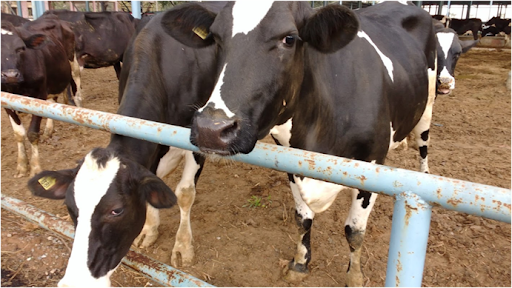
- RETRACTION
- Moves a structure back towards the central body .
- Ex: tongue is protracted out of mouth
-
Elevation and depression
-
- Moves a structure dorsally
- Eyelid is elevated to open the eye
-
- Moves a structure Ventrally
- Eyelid is depressed to Close the eye
Supination - Pronation
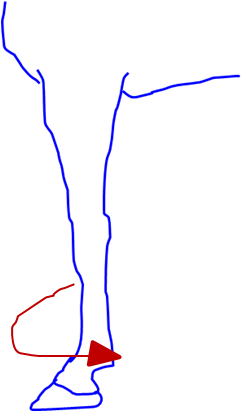
- Supinate
- rotate the thoracic limb so the dorsum of the manus is turned laterally (outward rotation is preferred for the pelvic limb).
-
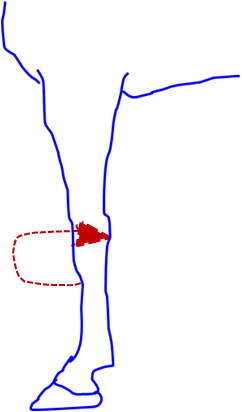
- Pronate
- rotate the thoracic limb so the dorsum of the manus is turned medially (inward rotation is preferred for the pelvic limb).
-
Inversion and Eversion
-
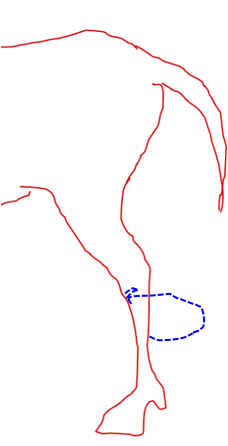
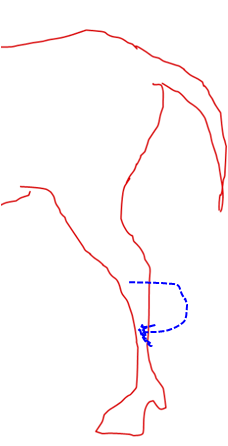
- Inversion rotates the pelvic limb so that the planter / caudal surface faces medially (similar to supination)
-
-
- Eversion rotates the pelvic limb so that the planter / caudal surface faces laterally or caudally (similar to pronation)
-
Rotation
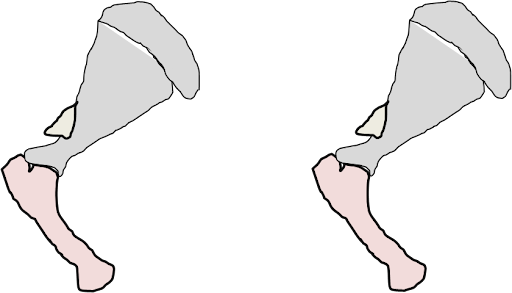
- Circular movement of a part (rather than a joint) around its long axis, as when the head of the humerus rotates in the glenoid cavity of the scapula
-
Circumduction
- Describes a combined movement involving both flexion/extension and abduction/adduction. The resulting movement essentially describes a circle.
-